UK Courier and Delivery Rider Guide 2026
An independent guide for UK delivery riders and couriers: choosing and paying for a vehicle, the legal and insurance traps, and the kit that survives a full shift.
Delivery work gets written about mostly by the companies selling into it. This section is the independent version. We do not rent bikes, we are not owned by a platform or an operator, and where the honest answer is "do not buy anything", that is what you will find here.
Choosing How You Ride
Most UK delivery work is done on foot, on a bicycle, on an e-bike, on a moped or in a car, and the right choice is mostly decided by your city rather than your preference. Dense central zones reward anything that parks instantly and skips traffic. Spread-out suburban zones punish a bike with long empty legs between drops.
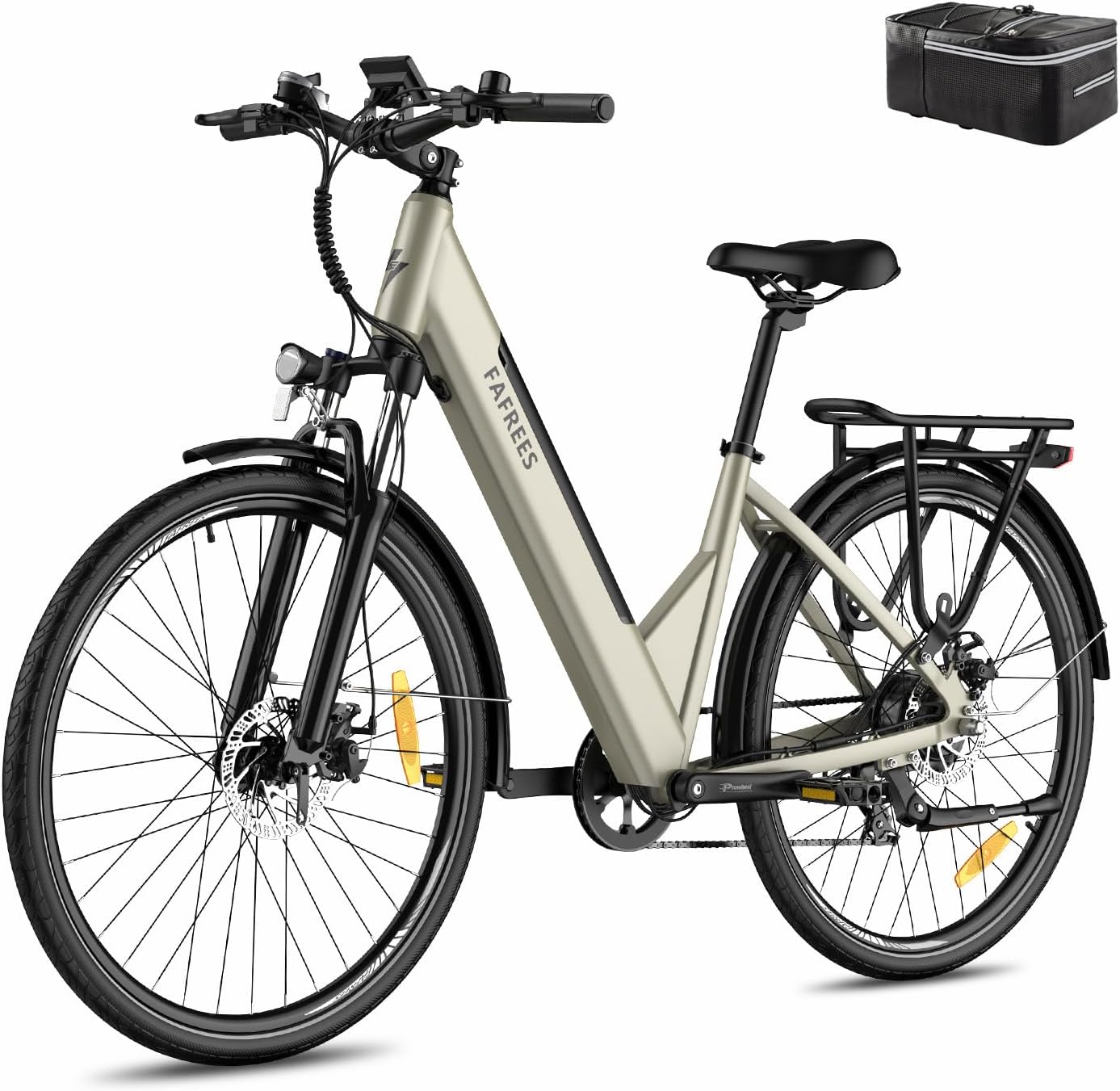
An e-bike is the sweet spot for a lot of riders because it covers ground like a moped in traffic while staying legally a bicycle, which keeps you off the licence, tax, registration and insurance treadmill entirely. That only holds while the bike is genuinely road legal, which is the single most expensive detail to get wrong. More on that below.
Hire or Buy
The short answer: if you are going to be delivering for less than about four months, hire. If you are confident you will still be doing this in a year, buying is roughly half the cost.
As of 10 September 2026, Zoomo is the main pedal-assist rental option in the UK, at £39 a week on an eight week commitment or £55 a week to cancel any time, plus a £25 starter fee, dropping to £35 a week after the first eight weeks. That includes servicing, wear-and-tear parts, a lock, a charger, anti-theft GPS and roadside assistance. Theft and damage cover is another £10 a week.
Buying, the cheapest road-legal bike we would put a courier on is the Touroll U1 at £449, and with the essential kit below you are about £555 to get on the road. Against £39 a week that pays for itself in roughly fourteen weeks. Over a full year, owning lands near £850 to £900 including consumables, against about £1,565 hired, or £2,085 with theft cover.
Owning wins on cash, clearly, as long as nothing goes badly wrong. That clause is the whole argument. When you hire, a stolen bike costs you an excess and a phone call. When you own, it costs you £555 and your income until you replace it. Hire if you have nowhere secure to store or charge a bike, or if you could not absorb a sudden £500 loss. Buy if you have secure storage and expect to still be doing this next year.
The Legal Part That Actually Bites
If you ride a bicycle or a legal e-bike, you need no licence, no tax, no registration and no compulsory insurance. If your e-bike exceeds the limits, it stops being a bicycle in law and becomes a moped, and everything changes at once: registration, road tax, a licence, an approved helmet, and hire and reward insurance because you are carrying goods for payment. It also stops being legal on cycle paths.
The three tests are a motor rated at 250W continuous, assistance that cuts out at 15.5mph, and working pedals. Any throttle must be walk-assist only. Plenty of listings claim compliance their own manufacturer contradicts, which is why we check every bike we list and leave out the ones that fail. Full detail is in our UK e-bike law guide, and everything verified is in UK Road Legal (EAPC).
Insurance and Tax, Briefly
Two things catch new riders out. First, many standard cycle insurance policies exclude commercial or delivery use entirely, so the cover you thought you had pays nothing the moment you are riding for work. Ask the insurer directly and get the answer in writing.
Second, you are almost certainly self-employed, not an employee. That means registering for Self Assessment and filing a return once your trading income passes the £1,000 allowance, and it also means your bike, your kit, your phone bill and your repairs are potentially deductible against that income. Keep the receipts from day one. This is general information rather than tax advice, and it is worth an hour with an accountant if the numbers are meaningful.
The Kit That Earns Its Place
Whether you hire or buy, this is the gear that stops a shift going wrong. It is a short list on purpose.
- A Sold Secure Gold D-lock, about £47. If you own the bike, this is not the place to save money.
- A waterproof phone and frame bag, about £19. Your phone is your job, and it needs to be visible, reachable and dry.
- A pump that handles e-bike pressures, about £30. A flat tyre mid-shift is lost earnings, not an inconvenience.
- Front and rear lights, about £10, if your bike does not have them built in. You will be finishing in the dark most of the year.
Think in Earnings Per Shift, Not Miles
Manufacturers quote range in miles, measured on flat ground with a light rider and no load. That is not your number. What matters is how many drops you get from a charge with a full bag on a wet evening, and whether that covers a shift or leaves you swapping batteries halfway through.
Work backwards from your zone. If a typical shift is 25 miles of stop-start riding, a bike claiming 45 miles is comfortable and one claiming 30 is not, because cold weather, hills and weight all take their cut. Buying more range than you need is the most common way to overspend, and buying too little is the most common way to lose a shift.
Kit for Delivery Riders